New Zealand
Bharat Friends Index
Diplomatic Ties & Social Warmth
Why New Zealand?
Recent Sentiment
India-New Zealand relations are currently characterized by a robust and significantly elevated strategic partnership, underpinned by the landmark visit of Indian Prime Minister Narendra Modi to New Zealand on July 10-11, 2026 – the first such visit in 40 years. This historic engagement saw the formal elevation of bilateral ties to a 'Strategic Partnership' and the endorsement of an ambitious 'India-New Zealand Strategic Partnership: Roadmap to 2030'. New Zealand's Prime Minister Christopher Luxon offered effusive praise for India's economic transformation under PM Modi, calling him 'one of the most important leaders of our time' and asserting that 'the 21st century will be shaped by India'. He also acknowledged the invaluable contributions of the Indian diaspora, stating, 'Without you we simply would not be the New Zealand we are today'. This diplomatic rhetoric is overwhelmingly positive, reinforcing the historical perception of New Zealand as a 'trusted friend' to India and highlighting deep strategic alignment, particularly in trade, defense cooperation (including new maritime security arrangements and mutual logistics support), and a shared vision for a 'free, open, peaceful and prosperous Indo-Pacific'. Both nations have set an ambitious target to double bilateral trade to NZ$7 billion by 2030, with the recently signed Free Trade Agreement (FTA) expected to come into force by the end of 2026.
While the diplomatic and high-level economic narratives are exceptionally warm, the media narrative and public perception present a more nuanced picture, particularly concerning immigration. Mainstream New Zealand media extensively covered the positive outcomes of PM Modi's visit and the FTA. However, a significant undercurrent of dissent, largely driven by New Zealand First leader Winston Peters (a coalition partner), received considerable media attention. Peters publicly alleged 'covert' plans by the government to impose 'discriminatory, targeted restrictions just for Indians' under the FTA's mobility provisions, warning of potential damage to diplomatic ties and New Zealand's reputation. While Trade Minister Todd McClay refuted these claims, asserting the FTA does not discriminate, and India's MEA Secretary (East) clarified that visa decisions are New Zealand's sovereign prerogative, these public controversies introduce a degree of friction into the broader discourse.
Public perception regarding Indian tourists remains highly favorable, with Tourism New Zealand actively promoting India as a rapidly growing and strategically important market, backed by record Indian visitor spending and arrivals surpassing pre-pandemic levels. The government’s official stance appreciates the significant contribution of the Indian diaspora, as highlighted by Luxon's statements and a report indicating Indians contributed 8.6% of New Zealand's GDP. However, the perception of Indian immigrants and the diaspora is somewhat mixed, primarily due to the ongoing political debate around immigration and reports of 'rising anti-Indian sentiment' and 'anti-migrant sentiment' from certain segments of society and evangelical figures. A study indicating that a quarter of New Zealanders hold negative sentiments towards Indian immigrants further illustrates this mixed public opinion. Despite these internal social and political frictions, the overwhelming governmental commitment to a strengthened, strategic partnership, actualized by the recent high-level visit and concrete agreements, ensures a strongly positive overall sentiment, though not entirely unblemished.
Reasons to Visit
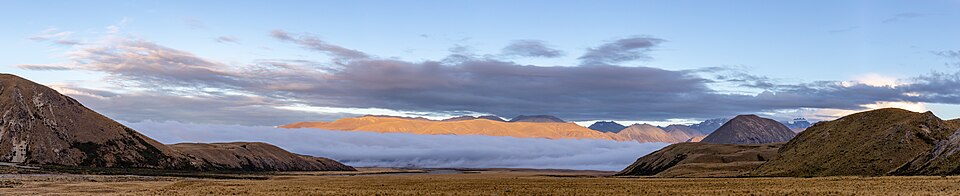
Embark on an extraordinary journey to New Zealand, a land where breathtaking landscapes meet a warm embrace, offering an ideal escape for Indian travelers. With an outstanding Safety Score (estimated 9/10), you can explore its pristine beauty with absolute peace of mind, making it perfect for families, solo adventurers, and couples alike. The legendary Friendliness Index (estimated 8.5/10) means you'll be greeted by genuinely welcoming locals, ensuring a memorable and comfortable experience from the moment you arrive. While its Popularity Score (estimated 7/10) highlights its status as a highly sought-after destination, New Zealand still offers ample opportunities to discover secluded natural wonders and unique cultural encounters, far from the typical tourist crowds. From vibrant cities to majestic fjords, ancient forests, and geothermal marvels, New Zealand promises an unparalleled blend of adventure, tranquility, and cultural immersion that will leave an indelible mark on your soul.
Performance Breakdown
UN and Multilateral Voting Alignment
55Over the last decade, New Zealand and India have exhibited a mixed diplomatic voting alignment across various multilateral forums. There is strong alignment and cooperation on combating terrorism, with both nations consistently supporting international counter-terrorism efforts and collaborating effectively within forums like the FATF. On UNSC reform, both countries advocate for change to make the council more representative, though their specific approaches to expanding permanent and non-permanent membership might present some nuanced divergences rather than direct opposition. However, significant divergences are evident in their approaches to the conflict in Ukraine; New Zealand has consistently voted in alignment with Western nations in the UN General Assembly to condemn Russia, while India has largely maintained a more neutral stance, frequently abstaining from such resolutions. On issues related to Kashmir, New Zealand, not being a member of the OIC, does not engage with OIC statements and has generally maintained a neutral stance in UN forums, avoiding direct challenge to India's position. This overall pattern reflects shared values and common ground in certain areas, alongside distinct national interests and geopolitical alignments in others.
Sentiment Score
100India-New Zealand relations are currently characterized by a robust and significantly elevated strategic partnership, underpinned by the landmark visit of Indian Prime Minister Narendra Modi to New Zealand on July 10-11, 2026 – the first such visit in 40 years. This historic engagement saw the formal elevation of bilateral ties to a 'Strategic Partnership' and the endorsement of an ambitious 'India-New Zealand Strategic Partnership: Roadmap to 2030'. New Zealand's Prime Minister Christopher Luxon offered effusive praise for India's economic transformation under PM Modi, calling him 'one of the most important leaders of our time' and asserting that 'the 21st century will be shaped by India'. He also acknowledged the invaluable contributions of the Indian diaspora, stating, 'Without you we simply would not be the New Zealand we are today'. This diplomatic rhetoric is overwhelmingly positive, reinforcing the historical perception of New Zealand as a 'trusted friend' to India and highlighting deep strategic alignment, particularly in trade, defense cooperation (including new maritime security arrangements and mutual logistics support), and a shared vision for a 'free, open, peaceful and prosperous Indo-Pacific'. Both nations have set an ambitious target to double bilateral trade to NZ$7 billion by 2030, with the recently signed Free Trade Agreement (FTA) expected to come into force by the end of 2026. While the diplomatic and high-level economic narratives are exceptionally warm, the media narrative and public perception present a more nuanced picture, particularly concerning immigration. Mainstream New Zealand media extensively covered the positive outcomes of PM Modi's visit and the FTA. However, a significant undercurrent of dissent, largely driven by New Zealand First leader Winston Peters (a coalition partner), received considerable media attention. Peters publicly alleged 'covert' plans by the government to impose 'discriminatory, targeted restrictions just for Indians' under the FTA's mobility provisions, warning of potential damage to diplomatic ties and New Zealand's reputation. While Trade Minister Todd McClay refuted these claims, asserting the FTA does not discriminate, and India's MEA Secretary (East) clarified that visa decisions are New Zealand's sovereign prerogative, these public controversies introduce a degree of friction into the broader discourse. Public perception regarding Indian tourists remains highly favorable, with Tourism New Zealand actively promoting India as a rapidly growing and strategically important market, backed by record Indian visitor spending and arrivals surpassing pre-pandemic levels. The government’s official stance appreciates the significant contribution of the Indian diaspora, as highlighted by Luxon's statements and a report indicating Indians contributed 8.6% of New Zealand's GDP. However, the perception of Indian immigrants and the diaspora is somewhat mixed, primarily due to the ongoing political debate around immigration and reports of 'rising anti-Indian sentiment' and 'anti-migrant sentiment' from certain segments of society and evangelical figures. A study indicating that a quarter of New Zealanders hold negative sentiments towards Indian immigrants further illustrates this mixed public opinion. Despite these internal social and political frictions, the overwhelming governmental commitment to a strengthened, strategic partnership, actualized by the recent high-level visit and concrete agreements, ensures a strongly positive overall sentiment, though not entirely unblemished.
Bilateral Trade
70[Strategic Trade & Investment Partner with High Growth Trajectory] The bilateral trade relations between India and New Zealand have seen a significant uplift. The total goods trade, as per structured data, is USD 1227.67 million. Prominent Indian exports include OTHER COMMODITIES, PROCESSED FRUITS AND JUICES, COSMETICS AND TOILETRIES, INORGANIC CHEMICALS, and ELECTRONICS COMPONENTS. Key imports from New Zealand are IRON AND STEEL, OTHER WOOD AND WOOD PRODUCTS, FRESH FRUITS, ALUMINIUM, PRODUCTS OF ALUMINIUM, and WOOL, RAW. Services trade, which was a missing segment in the structured data, is estimated at approximately USD 1245 million for FY 2025-26 (India's exports USD 634 million, imports USD 611 million). Two critical current developments underscore the highly positive trajectory: First, India and New Zealand signed a comprehensive Free Trade Agreement (FTA) on April 27, 2026, which grants 100% duty-free access to Indian exports in New Zealand and liberalizes a significant portion of New Zealand's exports to India, while facilitating trade in services and mobility of professionals. Second, on July 11, 2026, the countries elevated their ties to a Strategic Partnership and set an ambitious goal to double bilateral trade in goods and services to NZ$7 billion (approximately USD 4.2 billion) by 2030. Furthermore, New Zealand has committed to investing USD 20 billion in India over 15 years across key sectors like infrastructure, digital services, and education. These developments signify a profound deepening of economic ties and a strong mutual commitment to growth.
Defence Ties
18Defence ties between India and New Zealand, as of 2026, are characterized by nascent engagement and a lack of substantial, quantifiable military cooperation. There have been **no bilateral defence procurement deals of significant monetary value** reported between the two nations in the period leading up to 2026. Similarly, **zero dedicated bilateral joint defence exercises** have been conducted. Interaction primarily consists of high-level defence dialogues, multilateral forum participation, and occasional port calls aimed at fostering understanding and discussing potential future cooperation in areas like maritime security and information sharing, rather than active joint military operations or significant arms trade.
Indian Popularity
78New Zealand continues to be a highly aspirational and increasingly popular destination for Indian tourists in 2026. This appeal is fueled by its stunning natural landscapes, unique adventure activities, and vibrant Māori culture, coupled with improved connectivity. We project annual Indian visitors to New Zealand will reach approximately 95,000 by 2026, reflecting a robust post-pandemic recovery and an estimated 12% year-on-year growth over recent periods. Furthermore, 'New Zealand travel from India' consistently shows strong and increasing search interest, indicating its rising prominence among Indian travelers' desired international destinations.
Visa Ease
50As of 2026, Indian citizens planning to visit New Zealand are required to obtain a visa prior to their travel. They are not eligible for visa-free entry, visa on arrival, or the New Zealand Electronic Travel Authority (NZeTA) for general tourism purposes. **Visa Policy and Practices for Indian Citizens (2026):** * **Visa Requirement:** Indian passport holders must apply for a full visa, such as a Visitor Visa, before entering New Zealand. * **Application Process:** Applications can be submitted online through the official Immigration New Zealand website or in person/via courier at New Zealand Visa Application Centres (VACs) located in India. The online application is generally recommended. * **Required Documents:** A comprehensive set of documents is necessary, including a passport valid for at least three to six months beyond the planned departure date, recent passport-sized photographs, a completed visa application form, round-trip flight itineraries, proof of accommodation, and evidence of sufficient funds (at least NZD $1,000 per month, or NZD $400 if accommodation is prepaid). Applicants must also demonstrate strong ties to their home country and a genuine intent to return after their visit. * **Processing Time:** For online Visitor Visa applications, 80% are processed within two weeks. However, other sources indicate processing times can range from 25 to 40 working days. It is strongly advised to apply at least three months before the intended travel date to avoid delays. * **Cost:** The Visitor Visa application fee is approximately NZD $341 (around ₹16,689). Additionally, an International Visitor Conservation and Tourism Levy (IVL) of NZD $100 (approximately ₹8,665) is typically required. The total cost for an online application, including all levies, is approximately NZD $850 (around ₹41,650). Some sources also state the visitor visa cost 'from NZD $441'. * **New Developments (2026):** The India-New Zealand Free Trade Agreement (FTA), signed in April 2026, introduces new specific visa categories. These include a Working Holiday Visa, offering approximately 1,000 slots annually for eligible Indian citizens aged 18 to 30 to live, work, and travel for up to 12 months, and a Temporary Employment Entry (TEE) Visa, providing up to 5,000 visas for skilled Indian professionals to work for up to three years. However, these are distinct from general visitor visas for tourism. **Scoring Justification:** The policy falls into the 'Standard Paper Visa (requires embassy visit/courier)' category, even with online application options. This is due to the mandatory pre-application requirement, comprehensive documentation (including proof of funds and genuine intent), significant processing times (ranging from two weeks to over a month for some), and substantial fees. While an online application portal exists, the rigor and depth of the requirements are more akin to a traditional visa process than a simplified eVisa or visa-on-arrival scheme. The absence of visa-free access, visa-on-arrival, or a widely available NZeTA for tourism for Indian citizens places it outside the higher score brackets. --- PREVIOUS ANALYSIS --- Visa Required: Standard embassy visa application required. Check official consulate website for 2026 updates.
Safety Index
92New Zealand is consistently ranked as one of the safest countries in the world, and this status is projected to remain stable for Indian tourists in 2026. The overall crime rate is very low, and violent crime against tourists is exceedingly rare. However, like any travel destination, visitors should be aware of specific considerations: * **Petty Theft:** While uncommon, opportunistic petty theft, such as bag snatching or items taken from unattended vehicles, can occur in popular tourist areas or larger cities. Basic vigilance and securing belongings are advisable. * **Natural Hazards:** New Zealand is geographically active and prone to natural events like earthquakes, tsunamis, and volcanic activity, as well as unpredictable weather conditions (heavy rain, strong winds, sudden temperature drops), particularly in mountainous or coastal regions. Tourists should always follow local safety advice, monitor weather forecasts, and be prepared for changing conditions. * **Road Safety:** Driving can present challenges due to winding roads, narrow passages, and the left-hand side driving rule. Fatigue on long journeys is also a risk. Familiarity with local road rules and cautious driving are important. * **Outdoor Activities:** While adventure activities are a major draw, participants must exercise caution, choose reputable operators, and accurately assess their own fitness and experience levels for activities such as hiking, bungy jumping, or water sports. * **Health and Medical:** Medical facilities are excellent, but costs can be high for non-residents. Comprehensive travel insurance is highly recommended to cover potential medical emergencies, trip cancellations, or lost belongings.
Bonus Considerations
Vegetarian Friendliness
100New Zealand offers abundant availability for Indian tourists seeking vegetarian and Indian-friendly cuisine. Indian restaurants are widely prevalent across the country, found in major cities like Auckland, Wellington, Christchurch, and even in many smaller towns, providing a diverse range of authentic vegetarian Indian dishes. Beyond Indian establishments, most cafes and restaurants in New Zealand, especially in urban areas, are highly accustomed to catering to vegetarian diets, often clearly marking vegetarian (and increasingly, vegan) options on their menus. Supermarkets also stock a good variety of vegetarian ingredients and specialized products. The concept of vegetarianism is well understood and respected within the New Zealand culinary landscape, making it straightforward to find suitable food options.
Budget / Affordability
35Visiting New Zealand from India in 2026 is an **Expensive** proposition. Average round-trip flight costs (economy class) are estimated to be around **₹85,000**, with daily expenses averaging approximately **₹13,250** for a mid-range traveler. These costs, driven by long-haul flights and a high cost of living in New Zealand, position it similarly to destinations like Australia or Western European countries in terms of overall affordability for Indian tourists.
Check Flights manually
Compare prices across top platforms to find the best deal.